%20(1).svg)

.svg)

Introduction
Wheat farmland rental markets in Canada are moving through a period of adjustment. Input costs remain high, commodity prices are volatile, and land availability continues to shift across regions. For both farmers and every landowner, the focus in 2026 is not just on price per acre, but on managing risk, protecting soil, and building agreements that hold up over time.
This year, the gap between high-quality land and average acres is becoming more visible. Productive fields with strong yield history and reliable moisture are holding their value, while more marginal land is seeing tighter negotiation. That shift is shaping how rental rates are discussed across the country.
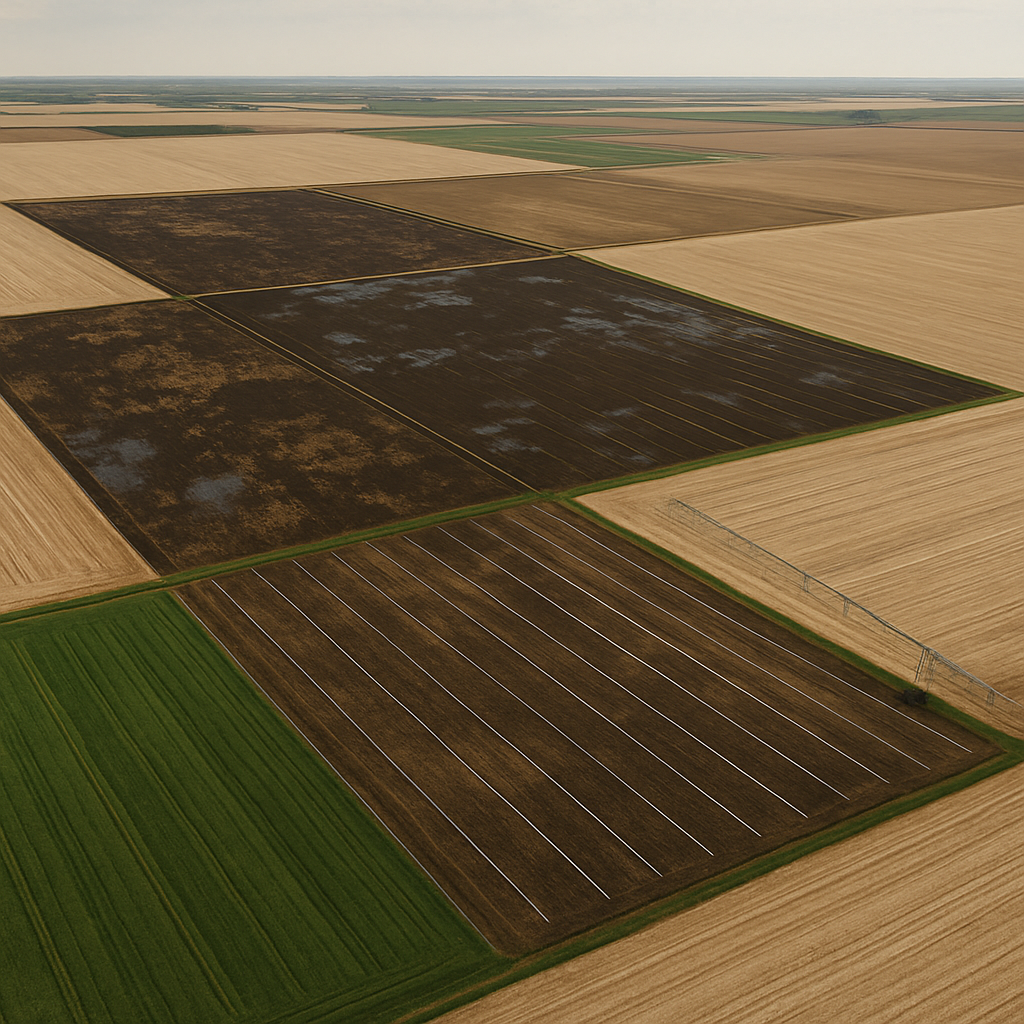
2026 rental rate snapshot by region
Rental rates continue to vary widely depending on location, soil quality, and infrastructure access. In Saskatchewan, wheat land typically rents between $40 and $120 per acre, depending on moisture and productivity. Alberta ranges from $30 to $110, with irrigated land often commanding higher prices. Manitoba sits between $35 and $100, while Ontario can reach up to $160 per acre in stronger producing regions. In British Columbia, where wheat acreage is more limited, rates generally fall between $40 and $140.
These ranges serve as a guide, not a guarantee. Final pricing depends on the specific field, the farmer operating it, and how the agreement is structured. Even within the same region, small differences in land quality or access can lead to noticeable changes in rent.
What Is Driving Wheat Rental Rates
Several practical factors shape how rents are set, and most of them come down to productivity and risk. Yield potential remains the strongest driver. Land that consistently produces higher yields gives farmers more confidence to offer stronger rates.
Soil quality and drainage also play a major role, as they directly affect both yield stability and input efficiency. Location adds another layer. Fields located closer to active grain elevators or with better road access tend to reduce transport costs, which can justify higher rent.
At the same time, rising input costs are influencing decisions on both sides. Expenses like fertilizer, fuel, and labour are tightening margins, which is why many farmers are approaching rent negotiations more cautiously than before.
Cash Rent vs Crop Share Agreements
One of the most important decisions in farmland leasing is how the agreement is structured. Cash rent offers simplicity, with a fixed payment per acre that provides predictable income for the landowner. However, it places more risk on the farmer if yields or prices drop.
Crop share agreements take a different approach by splitting production between both parties. This means the landowner shares in both the upside and the downside. In more uncertain market conditions, this structure can feel more balanced, as both sides are tied to the same outcome.
The right choice depends on risk tolerance, trust, and how involved each party wants to be.
Building Strong Lease Agreements
Well-structured leases are the foundation of a stable farming relationship. A good lease clearly outlines not just rent and duration, but also responsibilities, expectations, and how decisions are made throughout the season.
Clear terms around planting, harvesting, and input use help avoid confusion later. This becomes especially important when agreements span multiple years or involve shared responsibilities.
Soil Management and Long-Term Land Care
Protecting soil quality is central to long-term productivity. A strong agreement should clearly define how the land will be managed and what standards are expected.
In most cases, the farmer handles day-to-day operations such as planting and input application, while the landowner remains responsible for long-term infrastructure. However, both sides benefit from agreeing on conservation practices, including residue management, tillage limits, and nutrient planning.
When expectations are clearly documented, it becomes much easier to maintain soil health over time.
Short-Term vs Long-Term Leases
The length of a lease has a direct impact on how land is managed. Short-term agreements offer flexibility, but they can limit investment in soil improvement and infrastructure.
Long-term leases tend to encourage better farming practices, as farmers are more willing to invest in the land when they know they will benefit from those improvements. For landowners, this often leads to more consistent management and stronger long-term value.
Finding Wheat Farmland for Lease
Finding farmland still relies heavily on local connections, but the process is evolving. Farmers often look through co-operatives, municipal listings, and even notice boards at grain elevators to identify opportunities.
At the same time, digital platforms like Land4Rent are becoming more common. These tools make it easier to list available land, compare options, and manage agreements in a more organised way.
Negotiation and Risk Management
Negotiation today is more data-driven than before. Both farmers and landowners are relying on yield history, soil data, and local benchmarks to guide decisions.
Flexible structures are also becoming more common. Some agreements include performance-based adjustments or shared investment in improvements. These approaches help balance risk and create fairer outcomes for both sides.
Conclusion
In 2026, rental rates will continue to reflect local conditions, input costs, and market trends. There is no one-size-fits-all price, but there is a clear shift toward more structured and transparent agreements.
Farmers need to stay realistic about margins, while every landowner should focus on protecting long-term land value. When both sides align on expectations and document them properly, farmland leasing becomes more stable and more productive over time..
Visit Land4Rent to explore how we connect Alberta landowners and farmers with clear, transparent agreements for 2026.
Frequently Asked Questions (FAQs)
How to lease farmland for wheat farming?
Inspect the field, review recent yields and soil tests, then agree on term, payment method, and soil care in writing.
What is wheat farmland rental cost in Canada?
Costs vary by region and productivity, but typical 2026 cash rents range broadly by province with crop share as an alternative.
Why lease wheat fields instead of buying?
Leasing reduces capital outlay and lets farmers scale quickly, while owners retain land ownership and passive income potential.
Can I rent wheatland short-term?
Yes, short-term leases are common, but they may limit willingness to invest in soil improvements.
How to find wheat farmland for lease?
Search local networks, cooperatives, and online marketplaces, and check auction listings and elevator notice boards.
What are wheat lease agreement terms?
Key terms include length, payment method, crop restrictions, soil care requirements, and responsibility for repairs.
Is wheat land leasing profitable for farmers?
Profitability depends on yield, local wheat prices, and the chosen lease structure; good deals require accurate costs and yield estimates.
How to manage soil in wheat rental agreements?
Include measurable soil conservation clauses, require periodic testing, and set allowed tillage and residue management practices.
What to include in wheat farmland lease?
Include payment terms, duration, crop and input responsibilities, maintenance duties, and an inspection schedule.
Why use auctions for wheat land rental?
Auctions reveal market demand and can set a transparent price, but they may favor buyers with deep pockets or short timelines.





.svg)


.svg)